

A well-prepared packing list for a beach trip is defined as a category-organized checklist covering sun protection, swimwear, safety gear, hydration, and entertainment. Beach-specific packing differs markedly from general travel packing because sun exposure, saltwater, and sand create unique demands your everyday bag simply cannot meet. Get this right, and you spend the day relaxed. Get it wrong, and you are hunting for sunscreen at a resort gift shop at twice the price. This guide covers every category you need, with expert-backed quantities and practical tips so nothing gets left behind.
What should be on your packing list for a beach trip?
Sun protection is the single most critical category on any beach checklist. Skipping or underpacking it leads to sunburn, skin damage, and ruined days. The good news is that a clear system makes it easy to get right.
Sunscreen: quantity and type matter
Most people bring too little sunscreen. Plan for one 8oz bottle per person per week, or roughly one 3oz bottle per person per beach day. That quantity covers full-body reapplication every two hours, which is the standard recommended frequency for effective protection.
Reef-safe sunscreen formulated with zinc oxide or titanium dioxide is legally required in destinations like Hawaii, the US Virgin Islands, and parts of the Caribbean. Buy it before you travel. Local shops in those areas often charge significantly more, and some stores run out of compliant formulas during peak season.
Clothing and accessories for sun protection
- UPF 50+ rash guards: These block more UV than most sunscreens and never wash off in the water. They are especially useful for kids and anyone spending long hours in the surf.
- Wide-brim hats: A brim of at least 3 inches protects your face, ears, and the back of your neck.
- UV-protection sunglasses: Look for lenses rated UV400, which block 99–100% of UVA and UVB rays.
- After-sun care: Pack aloe vera gel or a moisturizing after-sun lotion. Even with good sunscreen habits, skin dries out fast in salt air and wind.
Pro Tip: Apply sunscreen 20 minutes before you leave the house, not when you arrive at the beach. Your skin needs time to absorb it before sun exposure begins.
How to choose swimwear, clothing, and footwear for the beach
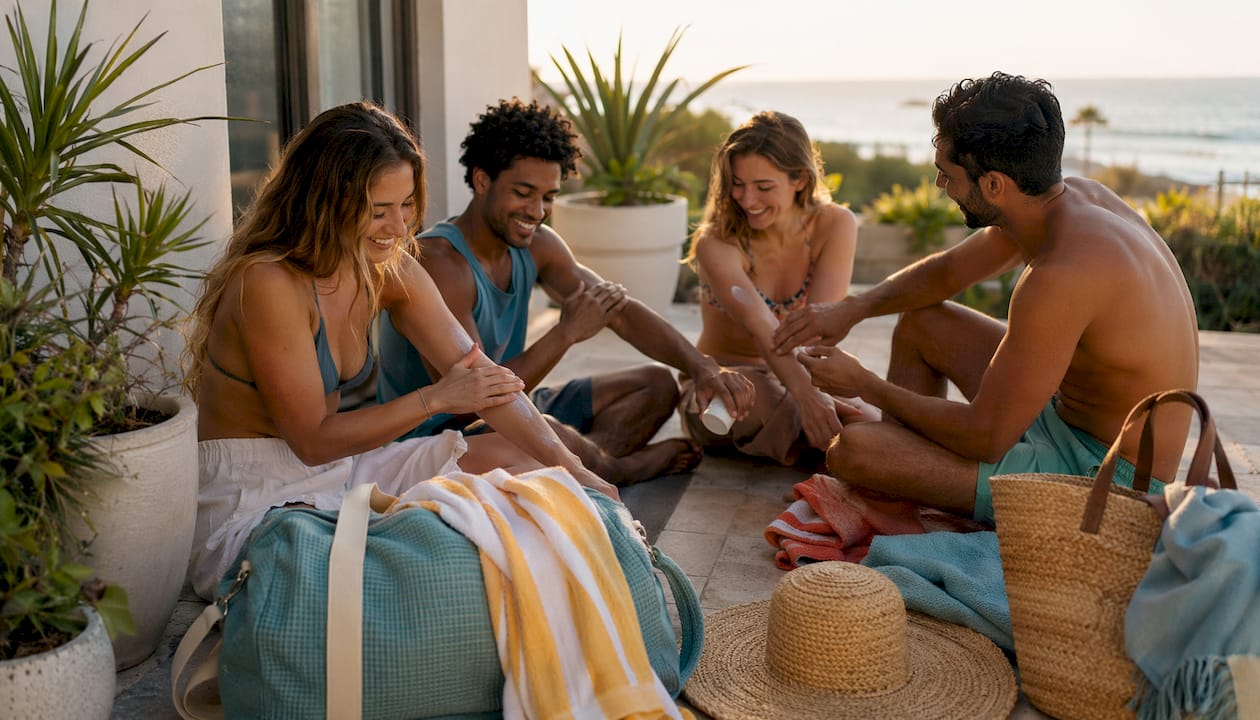
Swimwear dries slowly in humid coastal climates. Tropical humidity means swimwear takes 4–8 hours to dry fully. That means one swimsuit per person is never enough for a multi-day trip.
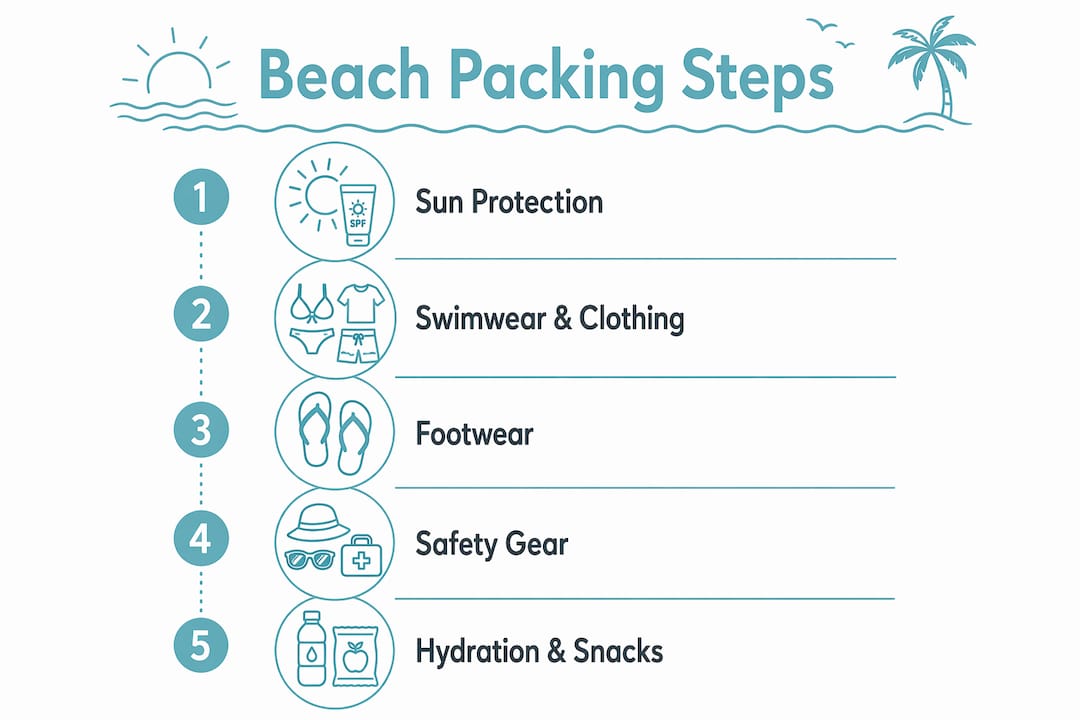
Swimwear and clothing strategy
Pack 2–3 swimsuits per person for any trip lasting more than two days. Quick-dry synthetic fabrics like nylon and polyester dry in a fraction of the time cotton does. Cotton swimwear feels comfortable but stays damp for hours, which leads to chafing and mildew smell by day two.
Cover-ups are worth packing even if you plan to stay on the sand all day. A lightweight cover-up lets you walk into a beachside restaurant or shop without changing, which saves time and keeps sand contained. Linen and rayon cover-ups pack flat and dry fast.
| Trip length | Swimsuits per person | Clothing layers | Footwear options |
|---|---|---|---|
| Day trip | 1–2 | Light cover-up | Flip-flops |
| 3–4 days | 2–3 | Cover-up, light cardigan | Flip-flops, water shoes |
| 7+ days | 3–4 | Cover-up, cardigan, light jacket | Flip-flops, water shoes, sandals |
Footwear for different beach conditions
Flip-flops work for sandy beaches with easy parking access. Water shoes are the right call for rocky shorelines, reef areas, or beaches where you wade through shallow water to reach the sand. Sandals with straps handle longer beach walks and boardwalk strolls without the foot fatigue that open flip-flops cause.
Pro Tip: Pack one pair of closed-toe water shoes even if you plan to use flip-flops most of the time. Rocky tide pools and boat docks make you glad you have them.
What safety and hydration essentials should you bring?
Safety gear is the most commonly forgotten category on a beach vacation packing list. Life jackets, first aid supplies, and hydration planning prevent the kind of emergencies that cut trips short.
Water safety gear
US Coast Guard-approved life jackets are non-negotiable for families with young children or non-confident swimmers. They are also the top forgotten item that leads to mid-trip purchases at inflated prices. Check that each jacket fits the wearer before you leave home, not at the water’s edge.
A basic beach first aid kit should include waterproof bandages, antiseptic wipes, tweezers for splinters or sea urchin spines, and pain relievers. Add a small bottle of eye wash if you are visiting areas with strong currents that stir up sand.
Hydration planning
Hydration needs at the beach are higher than most people expect. Plan for 16–24 oz of water per person per hour during summer beach outings. A family of four spending five hours on the beach needs between 320 and 480 oz of water total. That is a lot to carry, which is why pre-filled insulated bottles that maintain temperature for 8–12 hours are the practical choice.
Snacks matter as much as drinks. Avoid chocolate, messy crackers, and foods requiring utensils. String cheese, pre-washed grapes, and sealed snack pouches hold up in heat, resist sand contamination, and require no cleanup. The wrong snack choice turns into a sandy, melted mess within 20 minutes.
Wet bags keep damp towels and wet swimsuits separate from dry gear on the way home. They also protect your car seats and luggage from saltwater and sand transfer.
Pro Tip: Pack a small ‘first day’ bag with swimsuits, towels, sunscreen, and snacks before you leave home. If your accommodation has a delayed check-in, you can head straight to the beach without digging through all your luggage.
Which beach gear makes the biggest difference in comfort and fun?
The right gear turns a good beach day into a great one. The wrong gear means carrying too much, losing things to the sand, or sitting in direct sun with no shade.
Towels and shade
Bring at least two towels per person. Microfiber and Turkish towels dry within 30–60 minutes and pack down to about one-quarter the size of a standard cotton towel. That space saving matters when you are packing for a family. Cotton towels stay wet for hours and take up half a bag on their own.
A beach umbrella or pop-up canopy with sand anchors provides reliable shade. Standard beach umbrellas work for two to three people. Families with young children benefit from a pop-up canopy, which covers more ground and keeps babies and toddlers out of direct sun during peak UV hours between 10:00 AM and 4:00 PM.
Gear for families with kids
- Collapsible beach wagon: A wide-wheeled beach wagon handles soft sand far better than a standard cart. It carries coolers, umbrellas, towels, and toys in one trip from the parking lot to the sand.
- Waterproof phone case: Protects your phone from splashes, drops in the shallows, and sand infiltration.
- Sand-resistant mat: Specially woven mats let sand fall through rather than collect on top. They keep your sitting area clean for hours.
- Beach toys and sports gear: Buckets and shovels for young kids, a frisbee or paddleball set for older kids and adults. A football or volleyball adds group entertainment without taking up much space.
- Dry bag or waterproof pouch: Keeps valuables like keys, cash, and sunscreen dry and sand-free inside your main bag.
The best beach bag for moms doubles as a gear organizer. A structured, waterproof tote with interior pockets keeps sunscreen, snacks, and small toys sorted so you are not digging through a pile of wet towels to find your keys.
Key Takeaways
A complete beach packing list covers sun protection, safety, hydration, clothing, and gear. Skipping any one category creates a gap that costs you comfort, money, or safety on the day.
| Point | Details |
|---|---|
| Sunscreen quantity | Pack one 8oz bottle per person per week and choose reef-safe formulas for compliant destinations. |
| Swimwear count | Bring 2–3 swimsuits per person since tropical humidity means swimwear takes 4–8 hours to dry. |
| Hydration target | Plan for 16–24 oz of water per person per hour during summer beach outings. |
| Safety first | US Coast Guard-approved life jackets are required for children and non-confident swimmers. |
| Smart gear choices | Microfiber towels, a collapsible wagon, and a waterproof bag reduce bulk and protect your belongings. |
What I have learned from packing for the beach the wrong way first
The first time I packed for a week-long beach trip, I brought one swimsuit per person and a single bottle of sunscreen for four people. By day two, we were wearing damp swimwear and rationing SPF 30 that was not even reef-safe. That trip taught me more about beach packing than any checklist ever could.
The most overlooked items are almost never the obvious ones. People forget aloe vera, a wet bag, and a first aid kit far more often than they forget towels or sunscreen. Those gaps do not ruin a trip outright, but they create friction. A sunburn with no after-sun care, wet clothes mixed in with dry gear, and a splinter with nothing to remove it all add up to a less enjoyable day.
My honest advice: resist the urge to pack for every possible scenario. You do not need five cover-ups or three pairs of sandals. You need the right two of each. The beach essentials checklist approach works because it forces you to prioritize function over volume. Pack what you will actually use, protect it well, and keep it organized so you can find it fast.
— Perry
Your beach bag should work as hard as you do
Every item on your packing list needs a home, and that home should be waterproof, easy to clean, and roomy enough to hold it all without turning into a sand pit.
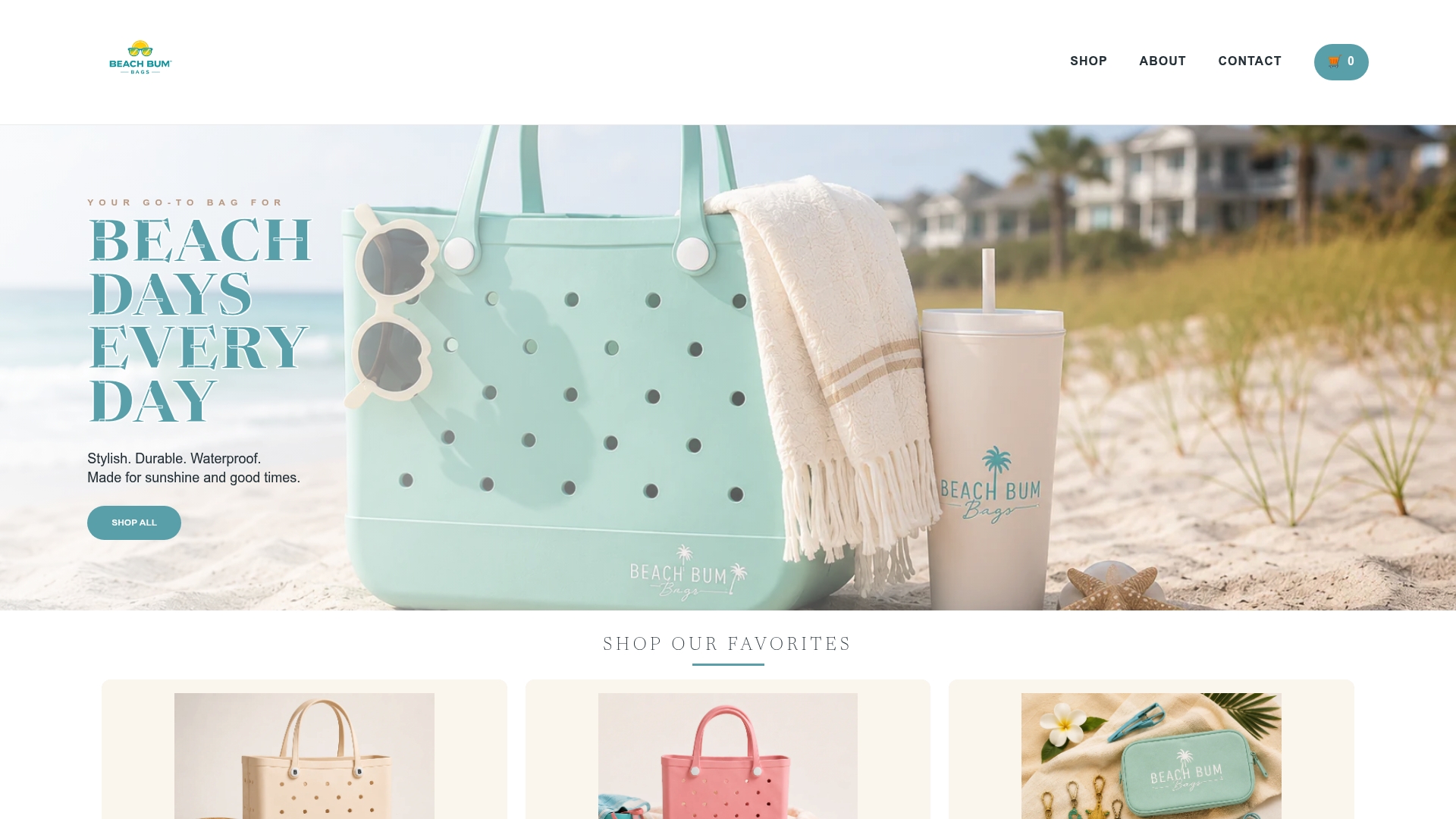
The Beach Bum Bag Original is built for exactly this. It stands upright on the sand, holds your sunscreen, snacks, towels, and wet gear, and rinses clean in seconds after a day at the water. Beachbumbags also offers a full range of bag accessories to keep your packing organized, from interior pouches to decorative charms that make your bag easy to spot in a crowd. If you are putting together a full beach kit for the family, Beachbumbags is the place to start.
FAQ
How many swimsuits should I pack per person?
Pack 2–3 swimsuits per person for any trip longer than one day. Swimwear takes 4–8 hours to dry in tropical humidity, so one suit per person leaves you wearing a damp swimsuit by afternoon.
What sunscreen should I bring to a beach destination?
Choose a reef-safe sunscreen with zinc oxide or titanium dioxide. Some destinations, including Hawaii and the US Virgin Islands, legally require reef-safe formulas, and local prices are often much higher than what you would pay at home.
How much water should I bring to the beach?
Plan for 16–24 oz of water per person per hour in summer heat. Pre-fill insulated bottles at home to keep water cold throughout the day.
Do kids need life jackets at the beach?
Yes. US Coast Guard-approved life jackets are the standard for children and non-confident swimmers at any open water location. Fit each jacket to the wearer before leaving home.
What snacks travel best to the beach?
String cheese, pre-washed grapes, and sealed snack pouches hold up well in heat and resist sand contamination. Avoid chocolate, crackers that crumble, and anything that requires utensils.
0 comments